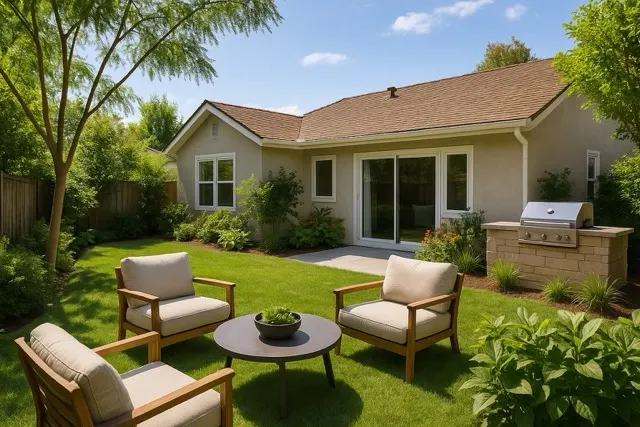
How to Design a Garden from Scratch: Complete Step-by-Step Guide
Starting with a blank yard? Learn how to design a garden from scratch — from site assessment and layout planning to choosing plants and creating your first design.

Start with What You Have
Before dreaming about what your garden could be, understand what it already is. Walk your space at different times of day and note where the sun hits, where shadows fall, where water pools after rain, and where the soil feels different. These observations determine what will thrive where. Check your hardiness zone (the USDA Plant Hardiness Zone Map tells you which plants survive winter in your area). Test your soil pH with a $10 kit from any garden center — most plants prefer slightly acidic to neutral soil (pH 6.0–7.0). Note existing features you want to keep: mature trees, slopes, views worth framing, or structures you cannot move.
Define Your Goals
What do you want from this garden? A space for entertaining, a play area for kids, a productive vegetable patch, a peaceful retreat, or all of the above? Be specific. Write down your non-negotiables (a patio for dining, a lawn for the dog) and your wish list (a fire pit, a water feature, raised beds). This clarity prevents the most common garden design mistake: starting without a plan and ending up with a disconnected collection of plants and features that do not work together.
Create Zones
Divide your garden into functional zones based on how you will use each area. A typical residential garden has three to five zones: an entertainment zone (patio or deck near the house), a planted zone (borders, beds, and ornamental areas), a utility zone (shed, compost, bins), a recreation zone (lawn, play area), and transition zones (pathways connecting everything). Sketch these zones on paper at a rough scale. The zones closest to the house should be the most designed and maintained, with increasing naturalism as you move further away.
Choose a Style
Your garden style should complement your home architecture. A modern home looks strange with a cottage garden, and a Victorian home clashes with minimalist landscaping. Modern gardens use clean lines, geometric shapes, and a restrained plant palette. Cottage gardens overflow with mixed plantings and informal paths. Japanese gardens emphasize balance, stone, and water. Mediterranean gardens use gravel, drought-tolerant plants, and terracotta. You do not need to commit to one rigid style, but having a guiding aesthetic prevents the garden from looking like a random assortment of ideas.
Plan Your Planting
Plants are chosen last, not first — this is the mistake most beginners make. Once you know your zones, style, and growing conditions, select plants that fit all three criteria. Start with structural plants (trees, large shrubs) that define the space and provide year-round interest. Add mid-layer plants (perennials, ornamental grasses) for seasonal color and texture. Finish with ground cover and filler plants. Plant in groups of three, five, or seven of the same species — repetition creates cohesion. Mix evergreen plants (for winter structure) with deciduous plants (for seasonal change).
Visualize Before You Dig
The cheapest mistake in gardening is the one you catch before you start digging. AI garden design tools let you upload a photo of your current blank yard and test different styles, layouts, and plantings instantly. See how a Japanese garden would look in your space versus a modern design. Test whether a curved path or straight path works better. Preview different patio materials. This free step replaces the guesswork that leads to expensive do-overs.
Frequently Asked Questions
How long does it take to design a garden from scratch?
Can I design a garden myself or do I need a professional?
What is the cheapest way to start a garden?
Visualize These Ideas on Your Space
Upload a photo and see garden styles applied to your actual outdoor space with AI.
Try Free